
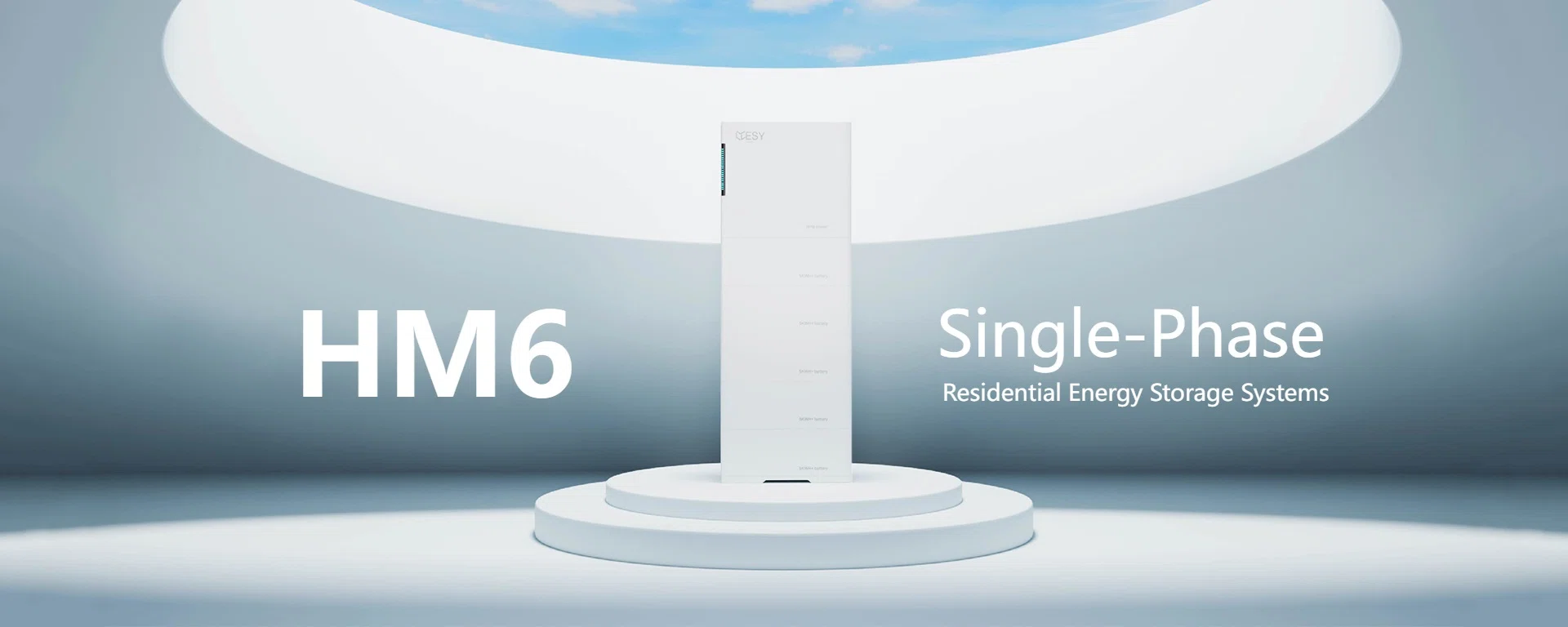
HM6 battery expansion and backup load planning depend on matching storage capacity, inverter output, solar input, and household electricity demand. A well-designed system can improve backup time and daily energy use efficiency. For example, a 6kW single-phase ESS with 8kW PV input can support residential solar storage applications by balancing generation and consumption. Battery size, appliance priority, and backup duration should be calculated from actual power data rather than estimated usage.
Battery expansion planning starts with understanding daily electricity consumption. A typical residential home in the United States uses around 25–30 kWh of electricity per day, although demand varies by climate, home size, and equipment. If a household consumes 10 kWh during evening and night hours, adding enough battery capacity to cover this period can reduce dependence on grid power.
The HM6 energy storage system is designed for residential applications where users may need additional battery capacity as electricity demand changes. More storage does not always mean better performance because the battery size should match solar production and household usage patterns. A battery operating at 80% usable capacity may provide more practical energy than an oversized system that cannot be fully charged by available solar generation.
“A suitable battery size is based on daily consumption, solar production, and the amount of backup time required.”
Before expanding an HM6 battery system, homeowners should review electricity records from at least 6–12 months. Monthly utility bills, inverter monitoring data, and smart meter information can show average consumption, seasonal changes, and high-use periods. Homes with air conditioning, electric heating, or electric vehicle charging often experience larger differences between summer and winter electricity demand.
The relationship between solar input and battery capacity affects expansion planning. A solar system producing 8 kWh of excess energy per day may not fully charge a very large battery every day. In comparison, a properly matched battery can store daytime solar generation and provide power during evening hours when household demand increases.
For residential solar systems, the configuration of a HM6 battery storage system should consider battery capacity, inverter rating, and backup requirements together. A 6kW single-phase ESS with 8kW PV input is an example of a system design where solar generation capacity is higher than inverter output, allowing more solar energy to be collected while maintaining suitable power conversion.
Backup load planning requires separating essential appliances from optional equipment. During grid outages, many homeowners only need power for selected circuits rather than the entire house. This approach can extend battery runtime and reduce the required storage size.
| Appliance | Typical Power Range | Backup Priority |
|---|---|---|
| LED lighting | 5–20W per light | High |
| Wi-Fi router | 10–30W | High |
| Refrigerator | 100–800W | High |
| Television | 50–200W | Medium |
| Microwave | 800–1,500W | Medium |
| Air conditioner | 1,000–4,000W | Depends on system size |
The reason load selection matters is that appliances have different operating patterns. A refrigerator may consume only 150W during normal operation but require a higher startup current when the compressor begins working. If several devices start at the same time, temporary power demand can increase significantly.
A properly sized inverter helps manage these situations. Battery capacity determines how long electricity can be supplied, while inverter output determines how much power can be delivered at one time. For example, a 10kWh battery paired with a 6kW inverter may support several household devices, but running multiple high-power appliances together may reduce available backup performance.
Battery expansion also needs to consider future electricity changes. According to residential energy trends reported in recent years, electric vehicle adoption, heat pump installation, and smart home equipment have increased household electricity consumption in many regions. Between 2019 and 2024, residential electricity demand patterns changed as more homes added electrical equipment.
A modular battery approach allows homeowners to increase capacity when requirements grow. Instead of installing a large battery system immediately, users can begin with a smaller configuration and add additional modules after collecting real electricity data. This method can reduce unnecessary installation costs and improve system matching.
“Energy storage planning works best when capacity grows with measured household demand.”
Solar generation conditions also influence battery expansion decisions. A home located in an area with strong sunlight may produce enough daytime energy to charge additional storage regularly. In locations with lower solar production, a larger battery may remain partially unused during periods of limited generation.
Weather conditions create seasonal differences in energy use. In colder regions, winter heating demand can increase electricity consumption by more than 30% compared with mild seasons. In warmer regions, summer cooling loads may create similar increases. Reviewing annual electricity patterns helps determine whether additional battery capacity is needed.
The installation environment should also be considered when adding HM6 battery modules. Battery systems require suitable ventilation, temperature conditions, and electrical connections. Manufacturers generally provide installation requirements to maintain safe charging and discharging performance throughout the battery lifespan.
A practical backup planning process can include the following steps:
-
Review 6–12 months of electricity usage data.
-
Identify appliances that must remain powered during outages.
-
Calculate normal and startup power requirements.
-
Compare existing battery capacity with required backup hours.
-
Evaluate solar production before adding storage.
-
Confirm inverter and battery compatibility.
For example, a household requiring 5kWh of backup energy overnight may not need a very large battery if solar generation can recharge the system the next day. However, a home requiring 15–20kWh of backup energy may need additional modules to maintain operation during longer outages.
Battery expansion decisions should also consider system efficiency. Energy losses occur during charging and discharging because no storage system operates at 100% efficiency. Modern lithium battery systems commonly achieve round-trip efficiency above 90%, meaning most stored energy can be used when needed.
The balance between battery size and backup load selection determines overall system performance. A smaller battery supporting essential circuits may provide longer backup time than a larger battery powering unnecessary appliances. For residential users, planning around actual electricity needs provides a more practical solution.
HM6 battery expansion and backup load planning require continuous evaluation of energy consumption, solar production, and household requirements. By combining suitable battery capacity, inverter output, and carefully selected backup circuits, residential energy systems can provide stable power support while making better use of solar generation.